CYCLONE MONTHA WREAKS HAVOC IN COASTAL ANDHRA PRADESH
Cyclone Montha in coastal region
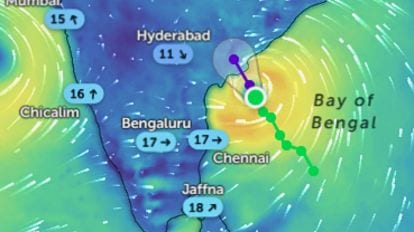
What happened
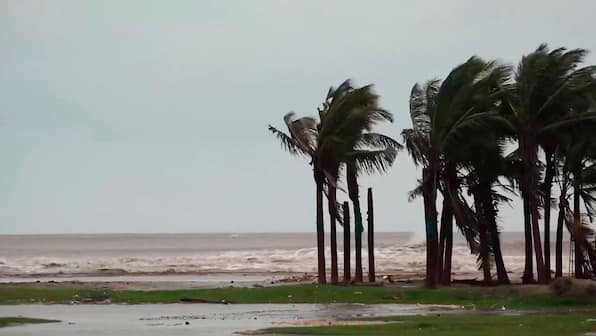
Authorities had issued warnings and evacuated thousands of people from low-lying and coastal villages in the districts of East Godavari, West Godavari, Konaseema and nearby mandals.
Impact on the region
-
The storm uprooted trees, knocked down power poles and wires, and caused large-scale power outages and infrastructure issues.
-
Coastal roads (for example the beach road between Kakinada and Uppada) were damaged due to wave action and surge.
-
In the district of East Godavari, 67 villages across 18 mandals reported damage; in West Godavari significant coastal erosion was observed.
-
Tens of thousands of people had been evacuated ahead of the landfall; for example, around 12,135 people were evacuated to 401 rehabilitation centres in East Godavari alone.
Casualties and damage
-
Early reports indicate two people have died in the Godavari districts of Andhra Pradesh: a 49-year-old woman (G. Veeraveni) in Makavanipalem village (Mamidikuduru mandal) when a tree fell on her, and a youth who was washed away into the sea in the Kumbhabhishekam area of Kakinada. -
Some reports say one death confirmed in Konaseema district (a woman killed by a falling tree) and major damage was less than anticipated.
-
Crop damage is substantial: over 38,000 hectares of standing crops in Andhra Pradesh have been reported as damaged.
Why this storm was noteworthy
-
Cyclone Montha made landfall at a time when the sea‐surface and atmospheric conditions favour intensification, meaning even “moderate” intensity storms can cause heavy damage along the east coast of India.
-
The regions affected (especially Andhra’s coastal mandals) are prone to cyclone effects—storm surge, heavy rain, high wind—and the damage is worsened by dense population, coastal agriculture, and important infrastructure along the shoreline.
-
Although the damage and death toll are currently lower than in some past major events, the storm underscores the hazards of cyclonic systems even when they weaken post-landfall.
Ongoing risks & outlook
-
The system is weakening as it moves inland into southern Andhra Pradesh and parts of Telangana, but heavy rainfall and gusty winds may persist for another day or two, raising risks of flooding, tree falls, and infrastructure damage.
-
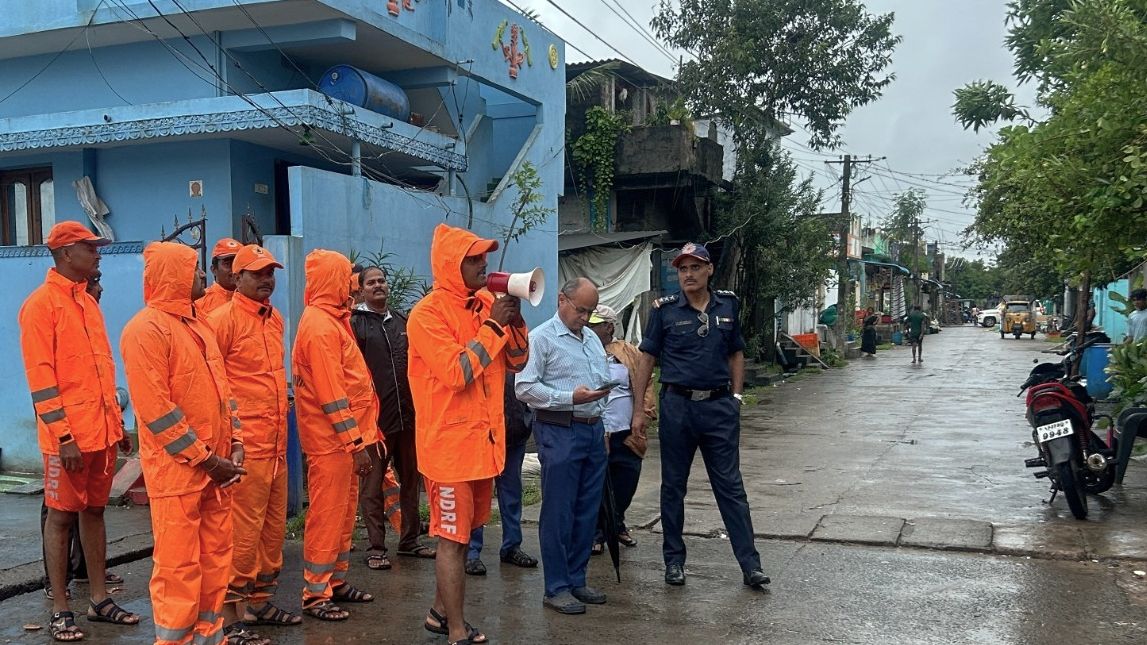
Power restoration, road clearance, and relief operations are in full swing; local authorities have mobilised rescue teams including National Disaster Response Force (NDRF) and state rescue/regional disaster forces.
-
Agricultural losses are expected to have a ripple effect—especially in paddy, groundnut and other crops in the affected districts. The coastal erosion and damage to coastal infrastructure may have longer-term recovery costs.
What to watch
-
Whether additional casualties emerge once full access to affected villages is restored (sometimes fatalities are reported later as rescue access improves).
-
The final assessment of damage to homes, boats (in fishing communities), power lines and communication networks.
-
The rainfall pattern inland: rivers and drainage systems may receive surge of water causing secondary flooding in low‐lying interiors of Andhra.
-
The response and rehabilitation efforts, including how quickly power & roads are restored, how well people evacuated are assisted, and how agricultural recovery is supported.


Comments
Post a Comment